A Guide to Water Damage Services: How to Safeguard Your Property
Water damage presents considerable threats to properties, making it essential to understand the services involved. Homeowners often overlook common causes and early signs of damage, which can ultimately result in significant repair costs. Immediate and informed responses are essential. Engaging professionals can provide thorough assessments and effective remediation. Despite this, many homeowners are not fully aware of all the preventive strategies available to them. Investigating these elements can expose critical approaches for defending your investment against unanticipated water-related problems.
Recognizing Common Causes of Water Damage
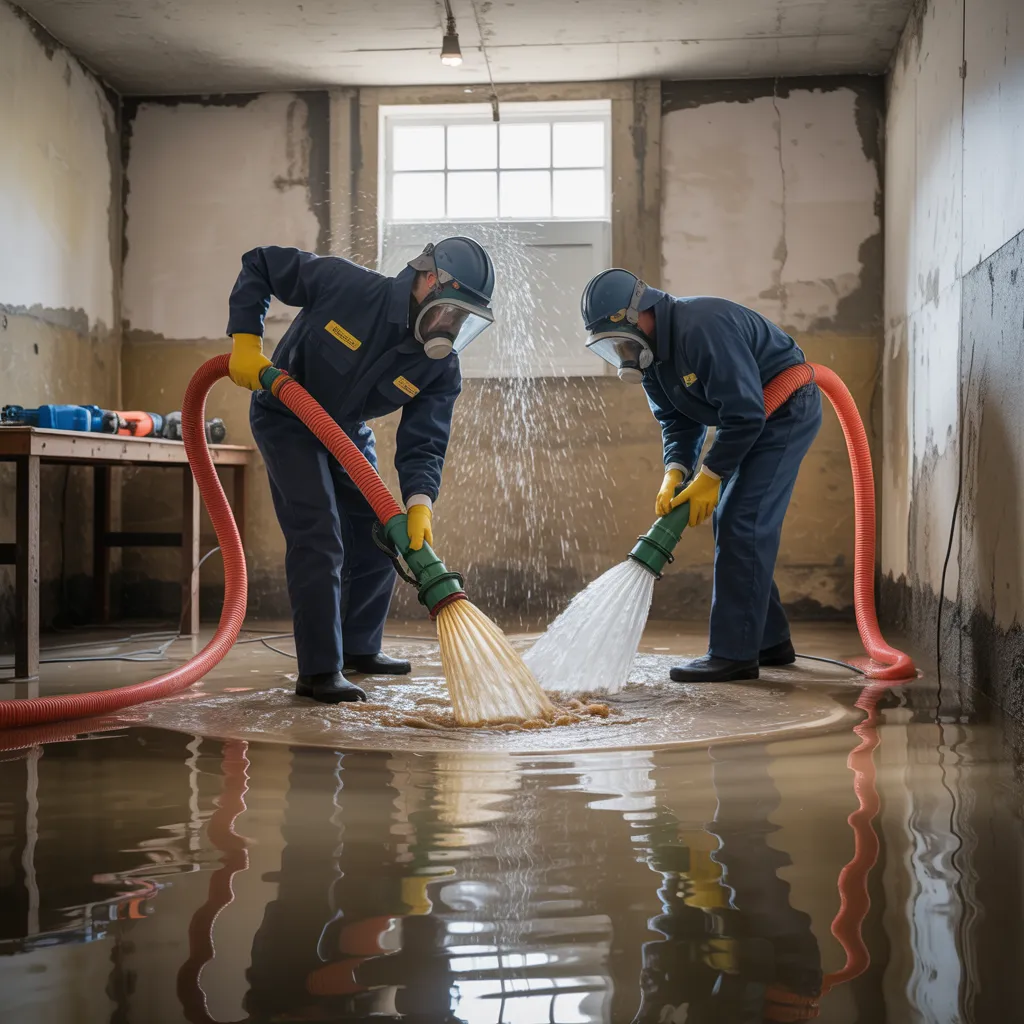
Water damage may stem from various sources, making it crucial to understand the frequent causes that contribute to such concerns. One prevalent cause is plumbing failures, including burst pipes or malfunctioning appliances, which can release significant amounts of water. Weather-related incidents, such as heavy rainfall or flooding, also play a role in water damage, particularly in areas prone to severe storms. Additionally, roof leaks can occur due to age-related damage, enabling water to infiltrate the building. Poor drainage systems and clogged gutters can worsen these issues by channeling water toward the foundation. A frequently disregarded cause involves elevated humidity and condensation, which can lead to mold growth and structural damage over time. Being aware of these frequent causes can enable property owners take preventive measures, shielding their homes from the potentially harmful impacts of water damage.
Detecting Water Damage Signs at an Early Stage
Detecting the early indicators of water damage is crucial for efficient management. Homeowners should stay alert for specific signals that water damage may be occurring. Discoloration on interior surfaces, typically presenting as dark or yellowish marks, can signal leaks from plumbing or the roof. Moreover, wallpaper or paint that is peeling may suggest extended exposure to moisture. An unpleasant musty smell often accompanies water damage, hinting at the presence of mold. Property owners should additionally check for warped or buckled flooring, which may result from excessive moisture exposure. One more important indicator is the appearance of moisture condensing on walls or windows, suggesting high moisture levels in the air. Early identification of these signs enables swift intervention, reducing the risk of extensive damage and costly repairs. Consistent upkeep and regular checks can also assist in identifying these indicators, promoting a preventative mindset toward maintaining and protecting your property.
Immediate Actions After Water Damage
Upon encountering water damage, it is essential to take immediate actions to mitigate further issues. To begin, halting the source of water is crucial to avoid further flooding. Next, thoroughly assessing the damage and recording all details will facilitate the recovery process while supporting potential insurance claims.
Halt The Water Source
Identifying and stopping the source of water intrusion is critical for reducing damage and avoiding additional problems. Swift steps must be pursued to limit the consequences for the property. This often involves locating the primary source, whether it involves a broken pipe, a damaged roof, or a malfunctioning appliance. Homeowners should turn off the water supply at the main valve to halt the flow, thereby reducing further water accumulation. In some cases, it may be necessary to contact a professional plumber to address the issue effectively. When the source is addressed, a smoother and more organized recovery can take place. Rapidly addressing the water source is a fundamental first action in shielding the property from widespread damage.
Examine The Damage
Once the water source has been shut off, assessing the damage is a necessary step. This first inspection involves identifying the affected areas, including walls, floors, and personal belongings. Water commonly infiltrates surfaces, causing hidden damage that can be difficult to detect right away. Professionals typically inspect for the integrity of the structure and the existence of mold growth, which can develop rapidly in wet surroundings. They frequently examine the level of deterioration to appliances and electrical systems. It is important to establish what type of water is involved—black, gray, or clean—as this impacts the cleanup approach. Timely and accurate assessment lays the basis for efficient recovery measures, ultimately minimizing prolonged effects on the building and providing a healthier setting for residents.
Document Everything Thoroughly
Thoroughly documenting all damage is essential in the aftermath of water damage. Such careful documentation serves several important functions, including streamlining insurance claims and informing restoration work. Homeowners should start by taking clear photographs of affected areas, capturing both wide shots and close-ups of individual areas of damage. Furthermore, keeping a detailed inventory of damaged items, complete with descriptions and approximate values, can prove invaluable. It is strongly recommended to document the specific date and time of the event, along with any immediate actions taken, such as reaching out to restoration experts. Such records not only assist with insurance claims but also aids in evaluating the extent of damage for future reference. By keeping detailed documentation, individuals can secure a more streamlined recovery journey.
How Professionals Can Help With Water Damage
Specialists are instrumental in mitigating the effects of water damage, utilizing advanced methods to restore affected areas effectively. They begin by evaluating the extent of the damage, using sophisticated equipment to uncover trapped moisture and associated dangers. This meticulous examination permits an individualized strategy to each specific circumstance.
When the evaluation process concludes, specialists utilize targeted water extraction methods to eliminate unwanted moisture from floors, walls, and various affected areas. They also use heavy-duty dehumidifiers and ventilation equipment to facilitate rapid drying, avoiding mold development and structural damage.
In addition, professionals can recognize and handle possible water intrusion sources, providing suggestions for corrective and preventive action. Their knowledge of property materials and restoration procedures assures that homeowners attain the highest quality outcomes. By working with qualified specialists, clients can preserve time, alleviate stress, and defend their investments successfully.
Key Steps in Water Damage Restoration
Water damage remediation encompasses a series of methodical steps designed to return affected areas to their pre-damage condition. At the outset, trained experts evaluate the scope of the damage and locate the moisture source. Subsequently, the damaged zone is properly sealed to avoid compounding issues, particularly mold proliferation. The next step is water extraction, where specialized equipment removes standing water efficiently.
Following extraction, the drying procedure starts, utilizing commercial-grade fans and dehumidifiers to ensure all moisture is eliminated. When the area has been completely dried, experts move forward with cleansing and disinfecting surfaces to remove possible contaminants. Fixing and restoring compromised materials, including drywall or flooring, is the final phase, ensuring structural stability and aesthetic quality. Across the entire procedure, records are kept for insurance documentation, providing an extensive record of the restoration work. This methodical approach is critical begin here for efficient water damage restoration and securing the property against future damage.
Proven Methods for Preventing Water Damage
Preventing water damage is vital for both homeowners and property managers, as even slight moisture intrusion can lead to serious problems over time. A key approach involves regular assessment of roofs, downspouts, and gutters to guarantee they are free of debris and working correctly. This keeps water from collecting and infiltrating the building. Additionally, filling cracks in the walls and foundation can thwart unnecessary moisture penetration.
Setting up sump pumps in basements and ensuring adequate drainage throughout the property can further mitigate risks. Property owners should regularly observe indoor humidity levels, utilizing dehumidifiers when necessary to maintain ideal conditions. Consistent servicing of plumbing systems, including leak inspections, is vital for early problem detection. Finally, educating residents about water safety and response can empower them to act swiftly in emergencies, decreasing the likelihood of extensive damage. Together, these preventive steps play a significant role in long-term water damage mitigation.
Navigating Insurance for Water Damage Claims
When working through the challenges of insurance for water damage claims, homeowners regularly encounter a broad selection of insurance policies and coverage plans. Standard homeowners insurance may cover specific categories of water damage, such as losses caused by unexpected leaks or burst pipes. That said, damage resulting from flooding generally necessitates a dedicated flood insurance policy, which is essential for properties in flood-prone areas.
Homeowners should closely review their policy documents to identify exclusions and limitations. For instance, incremental damage, such as prolonged leaks, is typically excluded from coverage. Additionally, most insurance providers demand the prompt submission of claims; late reporting can cause decreased payouts or claim denial.
To effectively handle the claims process effectively, homeowners are encouraged to document the damage thoroughly, including visual and written records. Working with an experienced adjuster can also be beneficial in achieving a fair settlement. Ultimately, being aware of these factors can have a major effect on the recovery process following instances of water damage.
Questions We Often Receive
What Is the Average Timeframe for Water Damage Restoration?
The water damage restoration process typically spans anywhere from a few days to several weeks, influenced by the severity of the damage, the impacted areas, and how efficiently the restoration team handles the process.
Can I Manage Water Damage Repairs by Myself?
Managing water damage repairs by yourself is an option, but often comes with significant risks. Experts have the specialized tools and knowledge to ensure complete restoration, reducing the likelihood of future issues. Evaluating personal capability versus hiring experts is essential for effective damage management.
What Types of Insurance Cover Water Damage?
Homeowners insurance typically covers water damage from sudden incidents, while flood insurance specifically addresses damage caused by rising water levels. Policy details can vary, so policyholders should carefully review their coverage to secure proper coverage against potential water damage.
Are All Water Damage Services the Same?
No two water damage services are identical. They differ in their expertise, methods, and tools employed. Some specialize in specific types of damage, while others offer thorough solutions, which impacts overall effectiveness and client satisfaction.
How Can I Find a Reliable Water Damage Service?
To find a reliable water damage service, one should research local companies, read customer reviews, verify professional credentials, and ask for referrals. Comparing quotes and evaluating response times can also aid in making an informed choice.